Liquid extract
A liquid material derived from cultivated watermelon through our bioconversion process. Its composition and analytical profile guide ingredient evaluation, formulation work and biological research.
A process-defined development platform for converting cultivated Citrullus lanatus whole biomass into characterisable biological outputs.
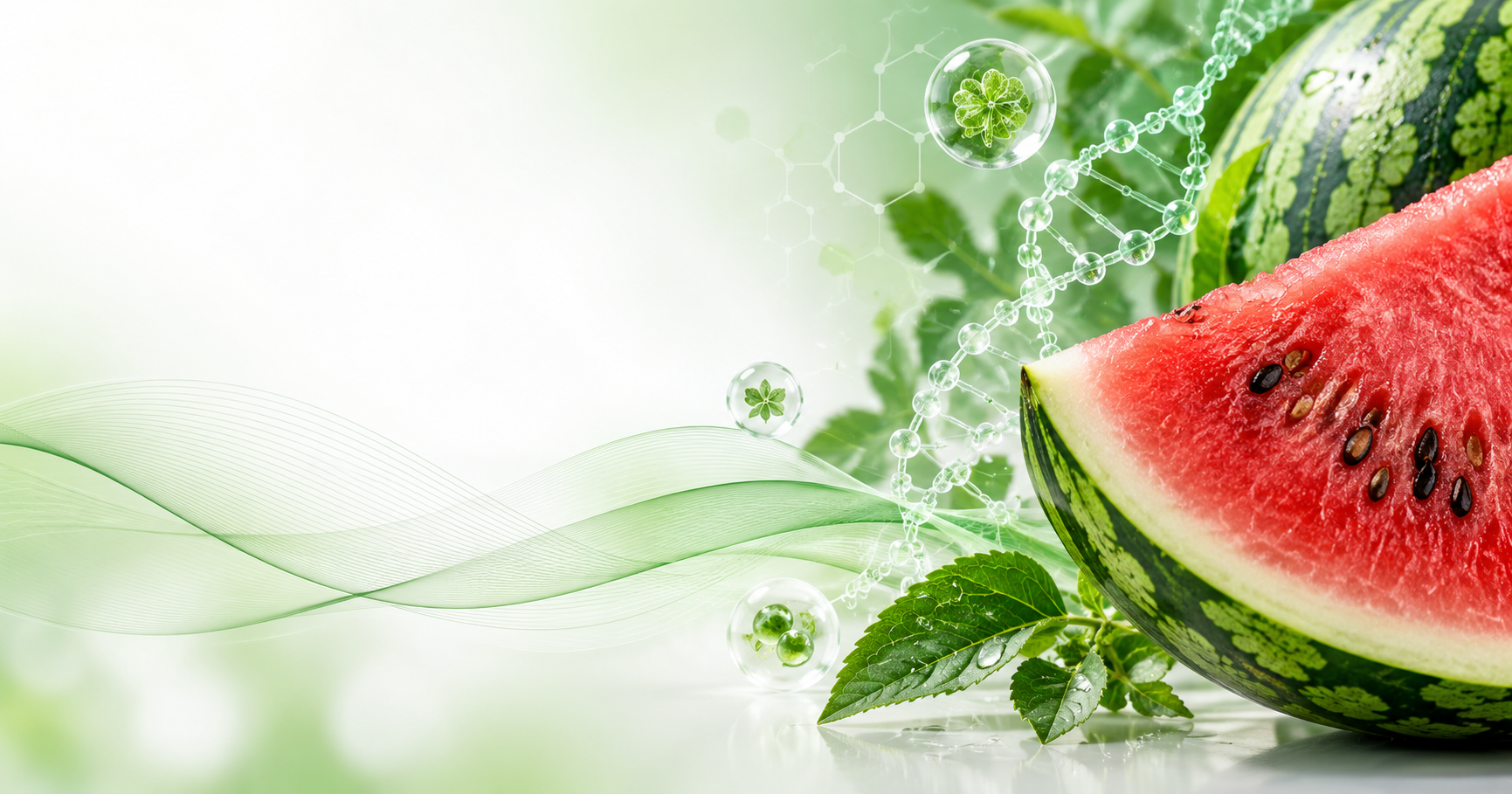
The platform combines cultivated watermelon biomass, native-moisture processing and analytical characterisation in a development workflow designed to make biological outputs easier to understand and compare.
Defined cultivated biomass and documented preparation.
Whole-biomass processing using native moisture and controlled process parameters.
Characterisation is used to assess composition and batch-to-batch behaviour.
Honey Matrix is La Grace Bio's internal term for the controlled bioconversion environment used within the watermelon processing platform. Detailed operating methods remain confidential and are subject to the company's IP strategy.
Whole-watermelon bioconversion produces a liquid extract and a fibre-rich solid fraction. We develop these materials as starting points for partner-led ingredient and product development.
A liquid material derived from cultivated watermelon through our bioconversion process. Its composition and analytical profile guide ingredient evaluation, formulation work and biological research.
The recovered fibre-rich solid material provides a second development stream. Potential uses include food ingredient and biomaterial research, with composition and functional properties to be assessed for each use.
The value of the process lies in what its outputs can contribute to a formulation or research programme.
Explore the four application areas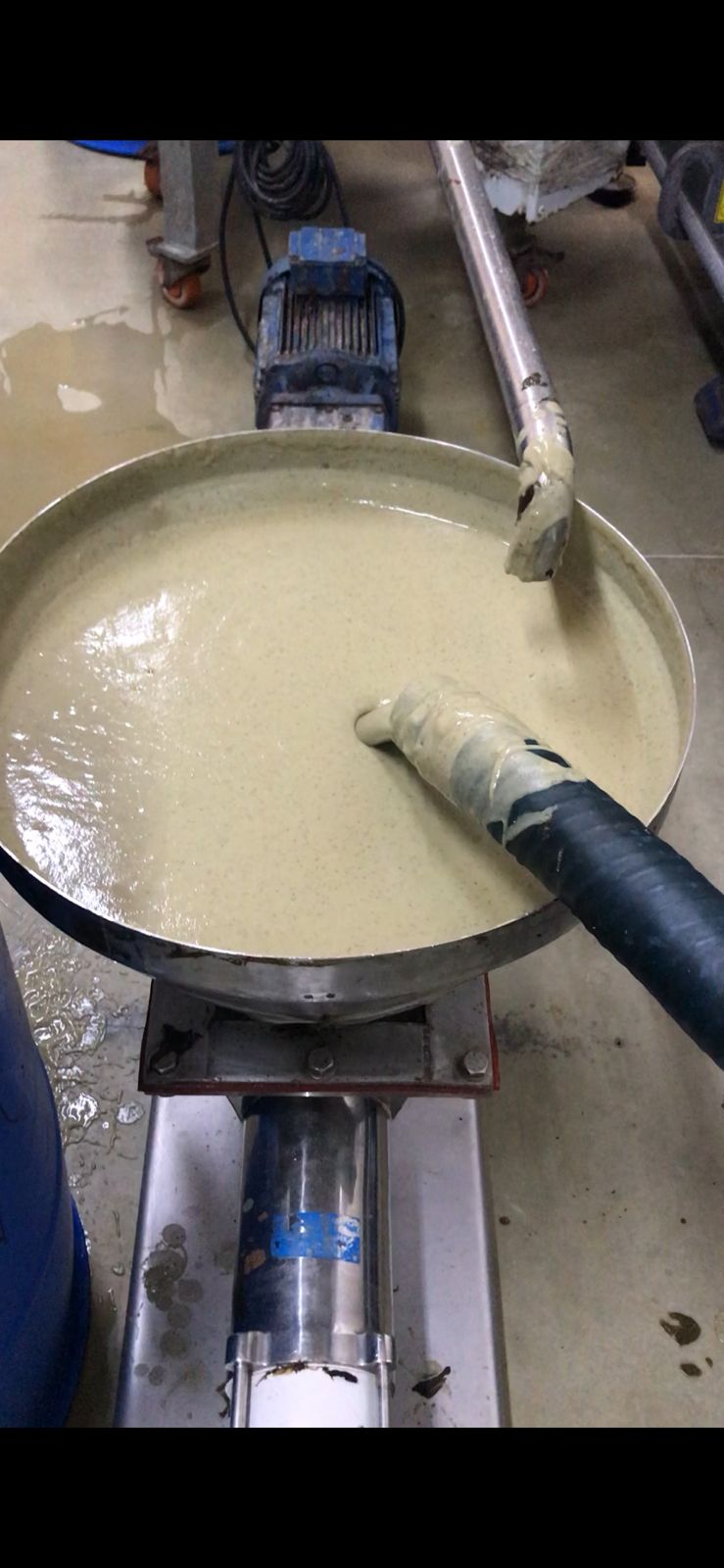
Process development connects equipment, material handling and the properties of the resulting outputs. The next step is to assess those outputs against the needs of a specific formulation or research project.
Explore the outputs